
GTA is a global travel booking service that empowers independent agents and small businesses to provide trustworthy, high-quality trip recommendations. GTA asked Fjord to redesign their website to be accessible on desktop, tablet, and mobile devices.
Through prior research (mystery shopping, trend analysis, agent interviews, workshops), we found that:
The existing .com site has its flaws that agents work around to piece together itineraries
Building a trip is time sensitive, and therefore, agents need the necessary resources to provide timely and convincing recommendations
A close relationship between agents and travellers enriches the service offering
The agent-traveller relationship is key to providing a personal touch throughout the booking experience
The service is focused on three key features: Search, Itinerary Builder, and Edit-to-Share. As part of the delivery, an online design language facilitates an overarching understanding of interaction patterns and visual styles applied across the responsive interface.
PART 1
agent-to-traveller booking service
Created at: Fjord LLC, 2015
Role: Interaction Designer
ITINERARY BUILDER
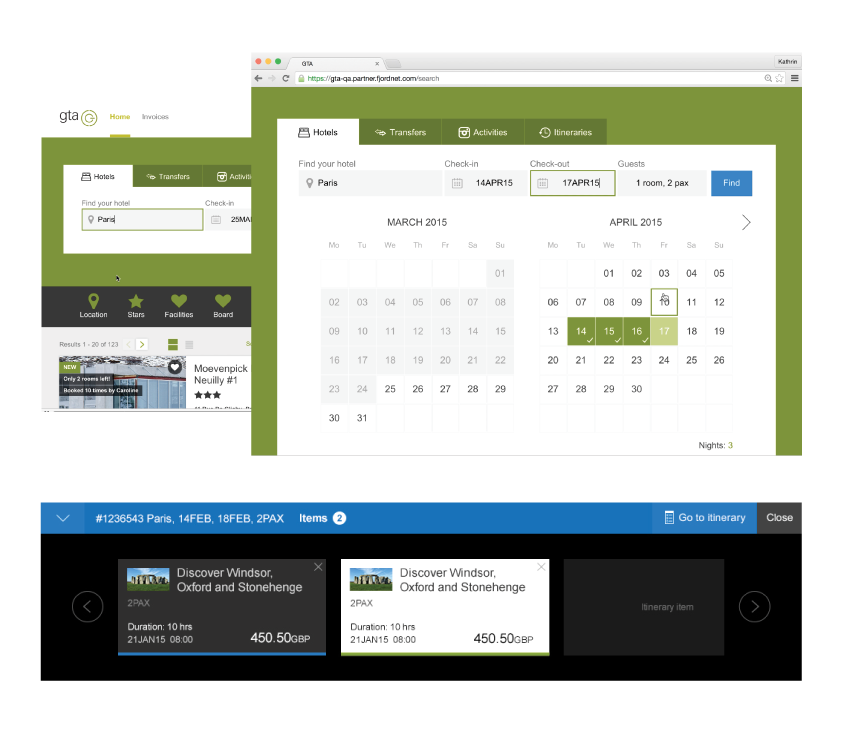
With relationships with major travel rating sites and worldwide hotel chains, this service is able to provide agents with best-in-class resources, including hotels, activities, transfers, and flights.
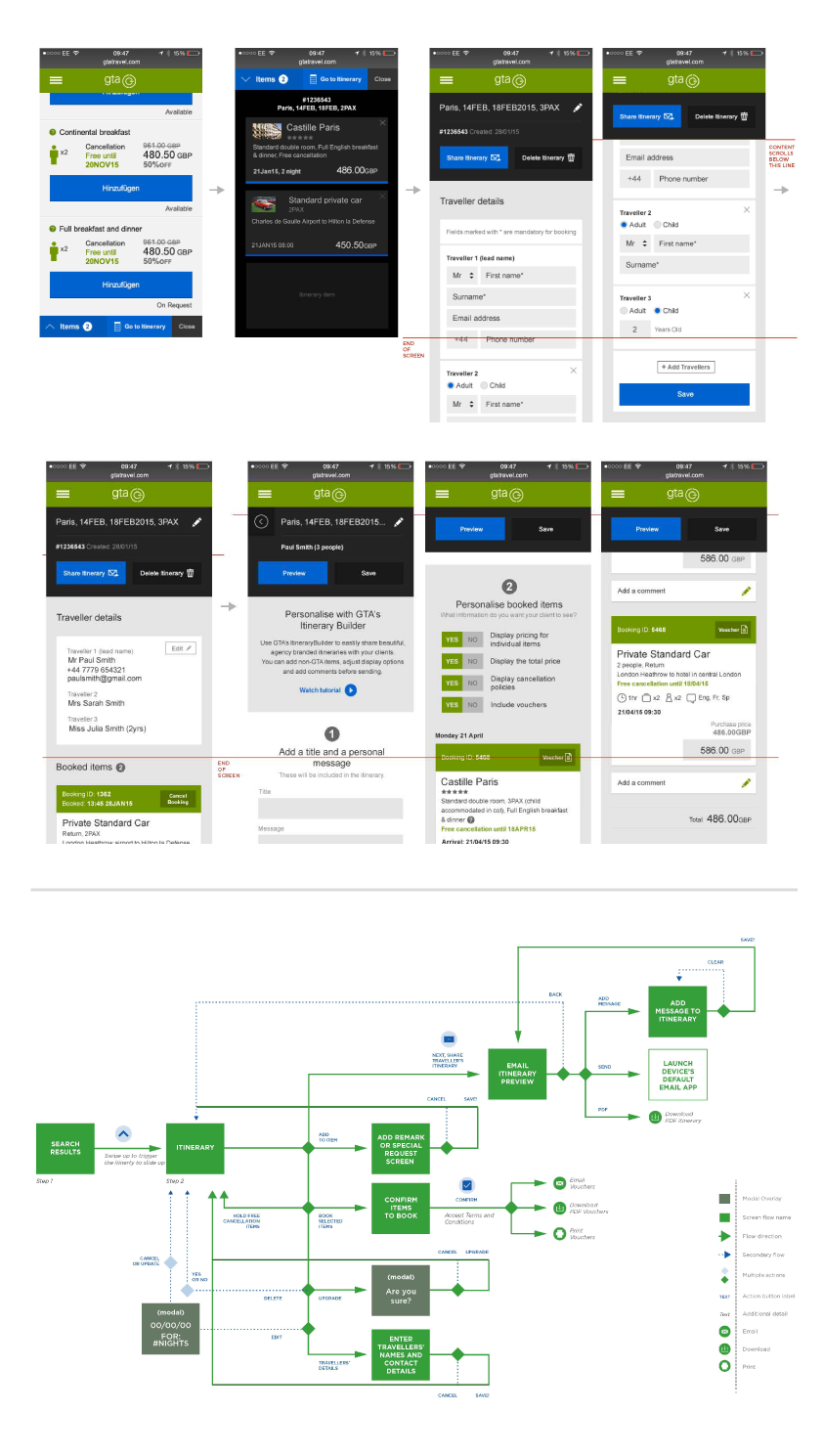
Using the Itinerary Builder, agents can collect items in the form of card and add these to a single trip allowing them to propose alternative hotels, additional activities, and transfer suggestions to complement a traveller’s journey. Once the agent is done building an itinerary, they can review their selections and make necessary adjustments before sharing it with their travellers. The following describes a basic flow from adding items to a trip to sharing it with a traveller.
DESIGN LANGUAGE
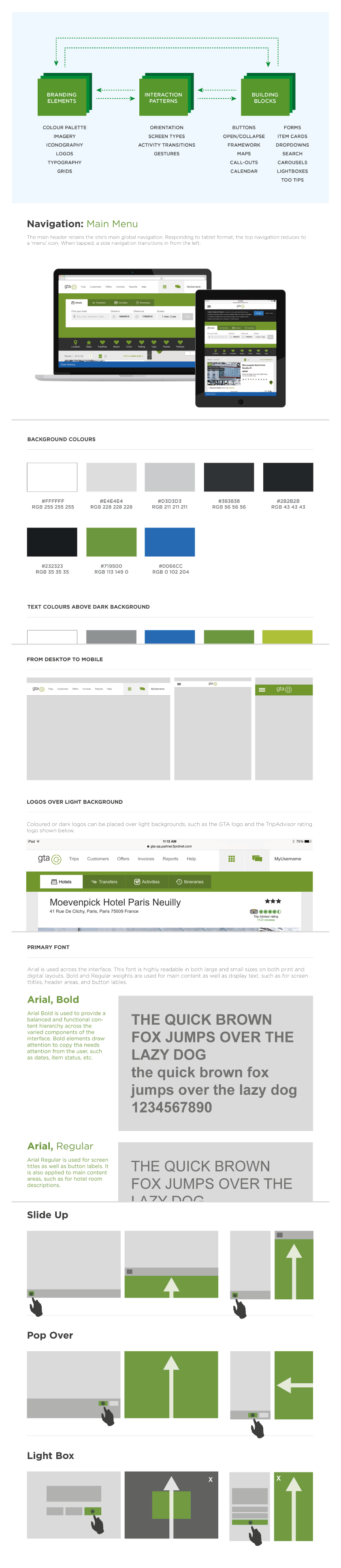
A design language (or patterns library) enables standardization of UI elements and interactions across the various view ports and throughout the different screen types of the service.
This ensures that functional patterns as well as visual look & feel are used consistently and respond to both branding requirements and user/device expectations. The following are just a few highlights from the online living documentation.
PART 2
travellers’ itinerary viewer
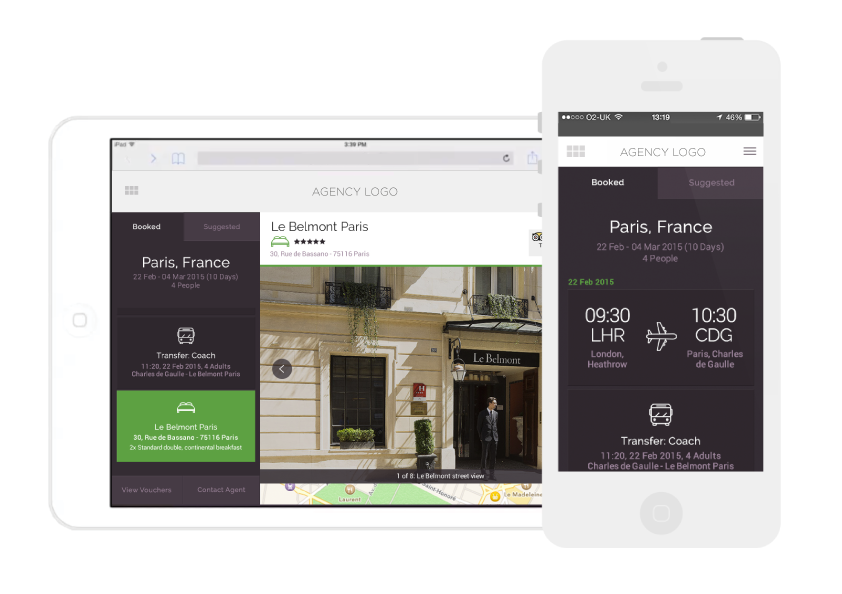
As part of the GTA offering, a traveller-facing itinerary viewer, EmuTrip, allows agents to subsequently share crafted itineraries with their travellers. These itineraries can be booked, quoted, or partially booked. Itinerary views are customizable by agents, allowing them to gain credibility by being tech-forward, immediate and accurate in their delivery, flexible and conversational in their interaction with travellers. Thus, providing an true end-to-end experience.
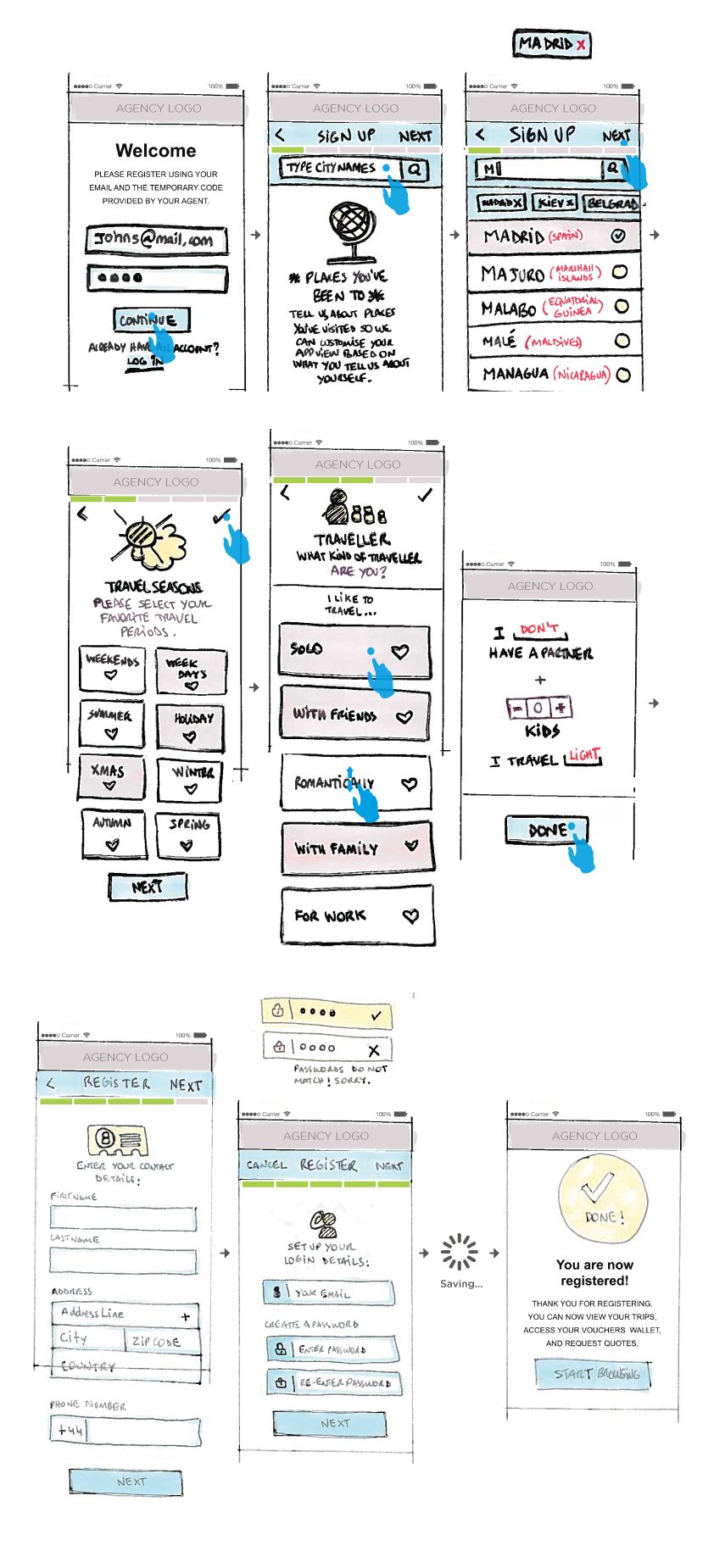
(future thinking) PSYCHOGRAPHIC REGISTRATION & REQUEST A QUOTE
Psychographics is defined as “the mental model of the consumer in the context of a customer lifecycle”
By introducing lifestyle questions into the registration process, the system can provide agents with additional insight into the traveller’s likes, dislikes, aspirations and beliefs, allowing them in turn to craft personalised itineraries.
Through browsing destinations, travellers can be guided through a step-by-step quote request to begin planning their trip. Requests will follow a filtering system that enables travellers to respond to optional questions (based on what they know at the time of their request) regarding location, budget, date range, and number of travellers.
more projects
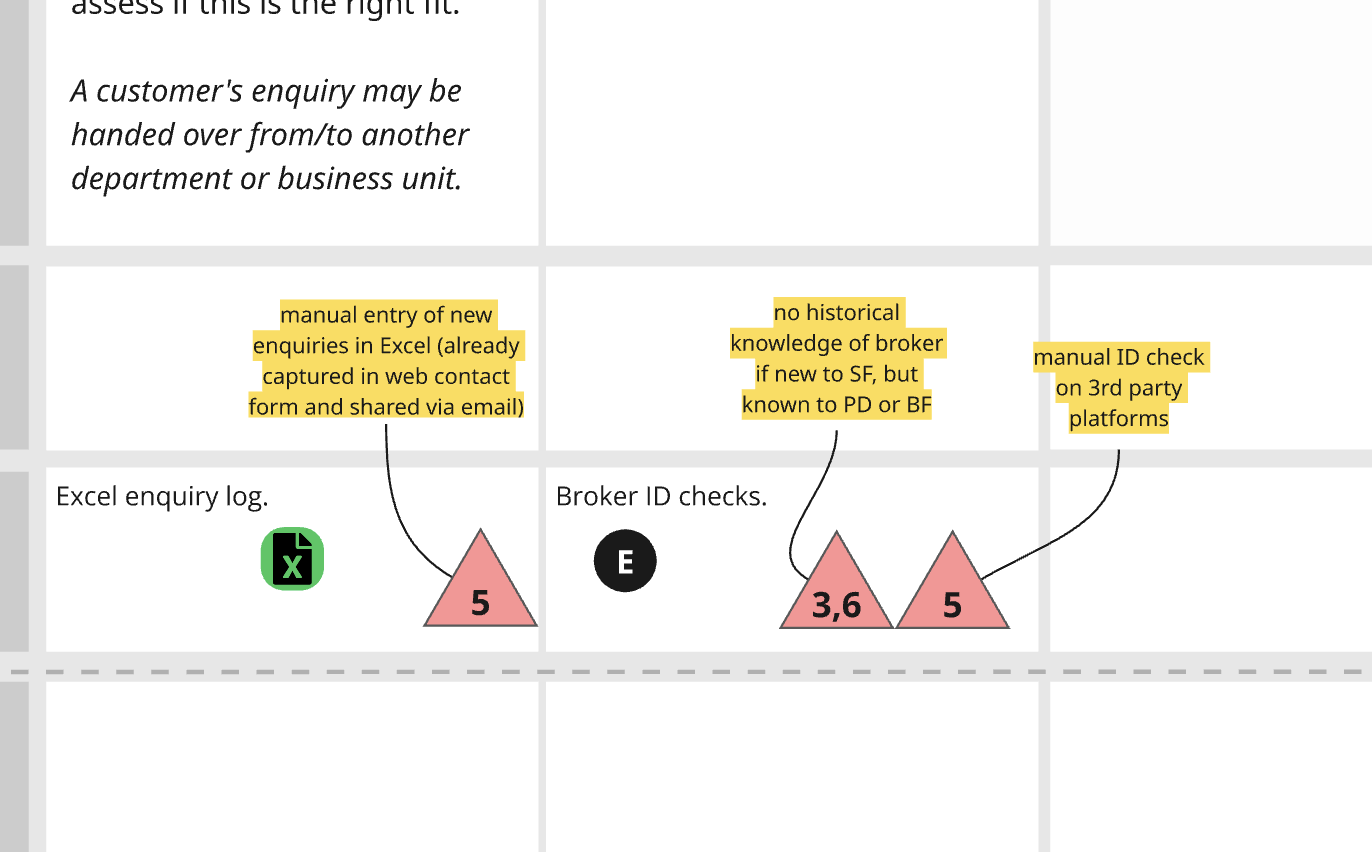
from a fragmented world to a seamless, united and human-centric operational strategy
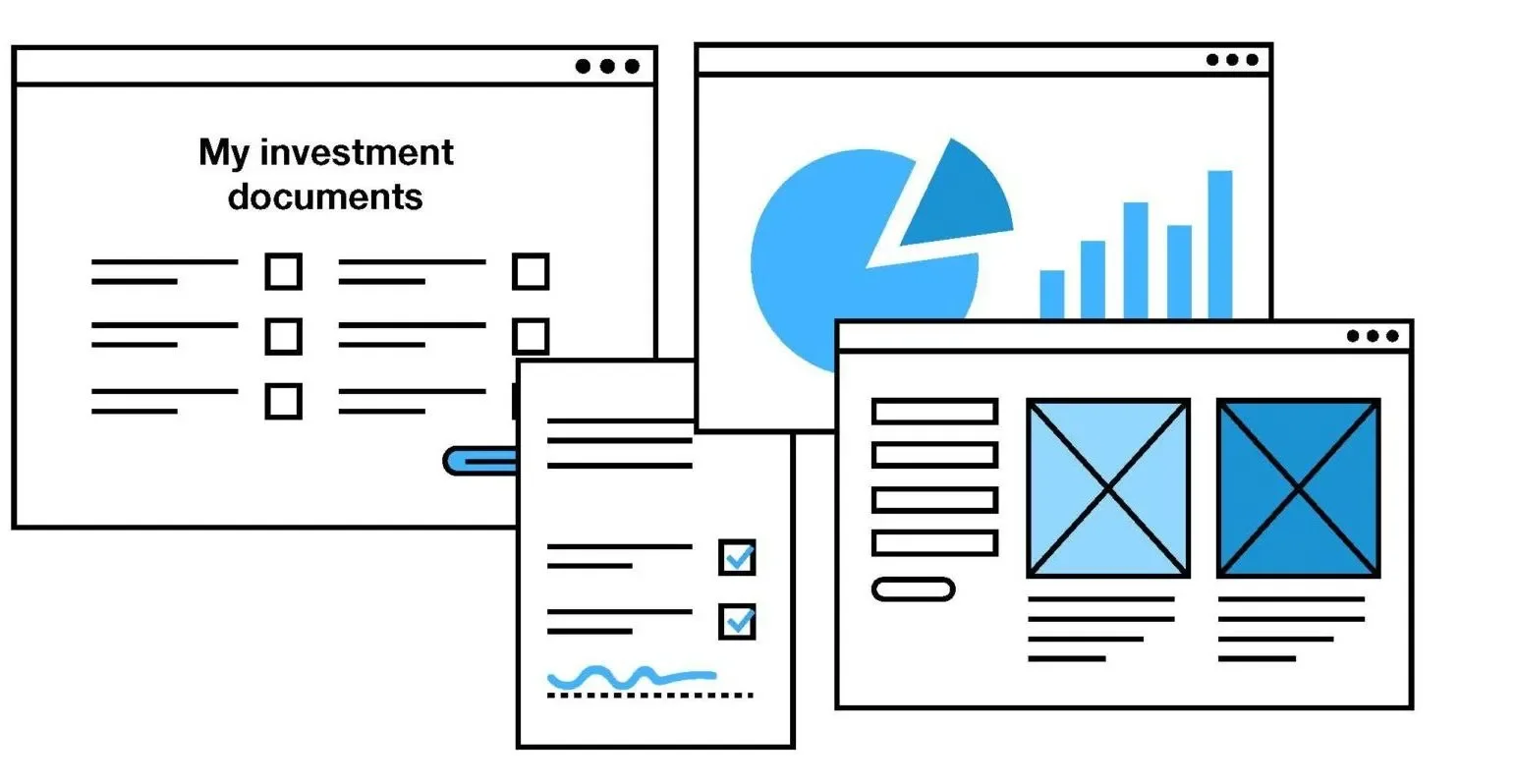
holistic financial advice, a business strategy for transitioning into the wealth management era

end-to-end customer experience for a $2bn global Telco start-up
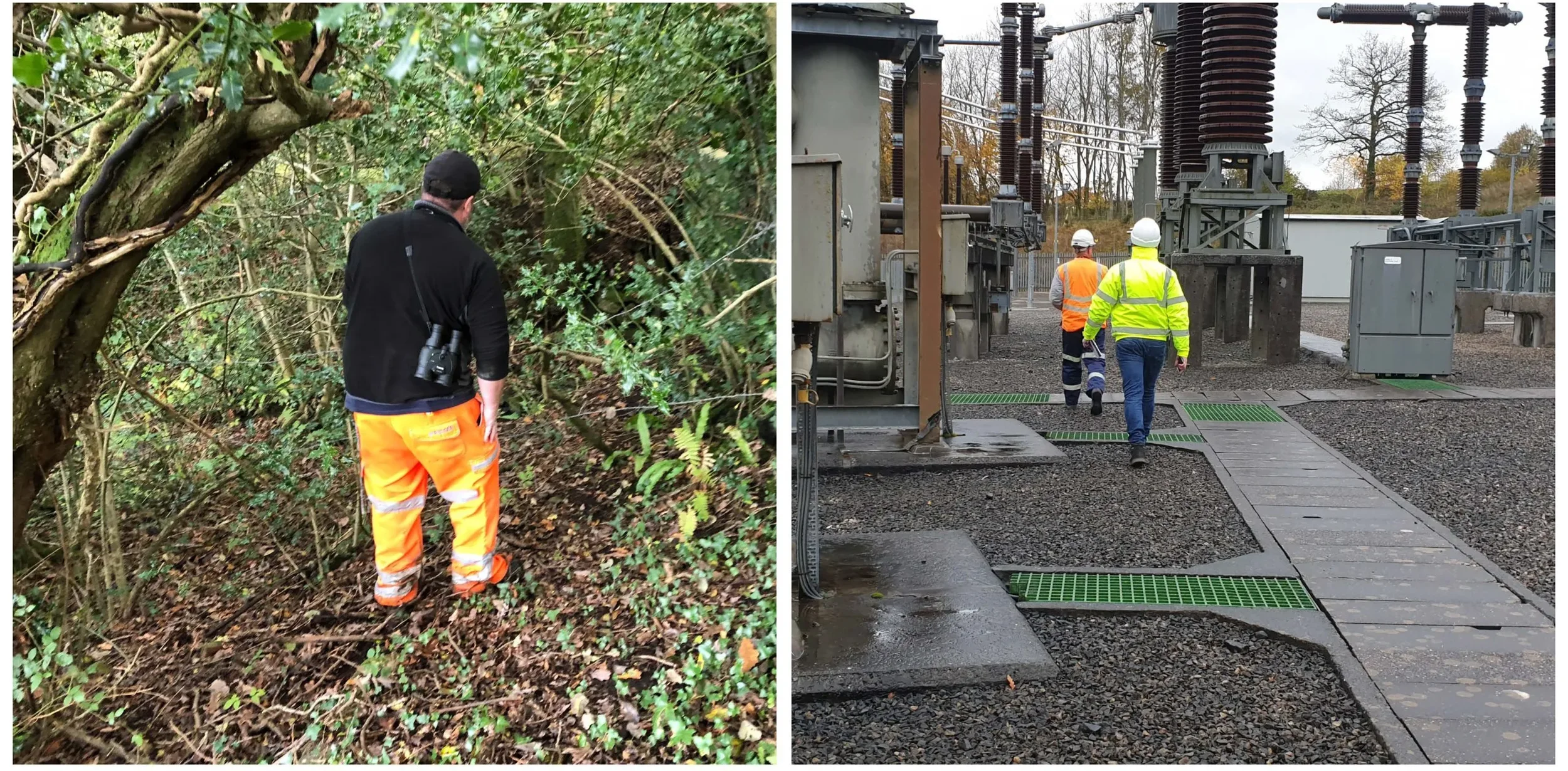
gas and electricity fieldforce digital experience on site and in the field
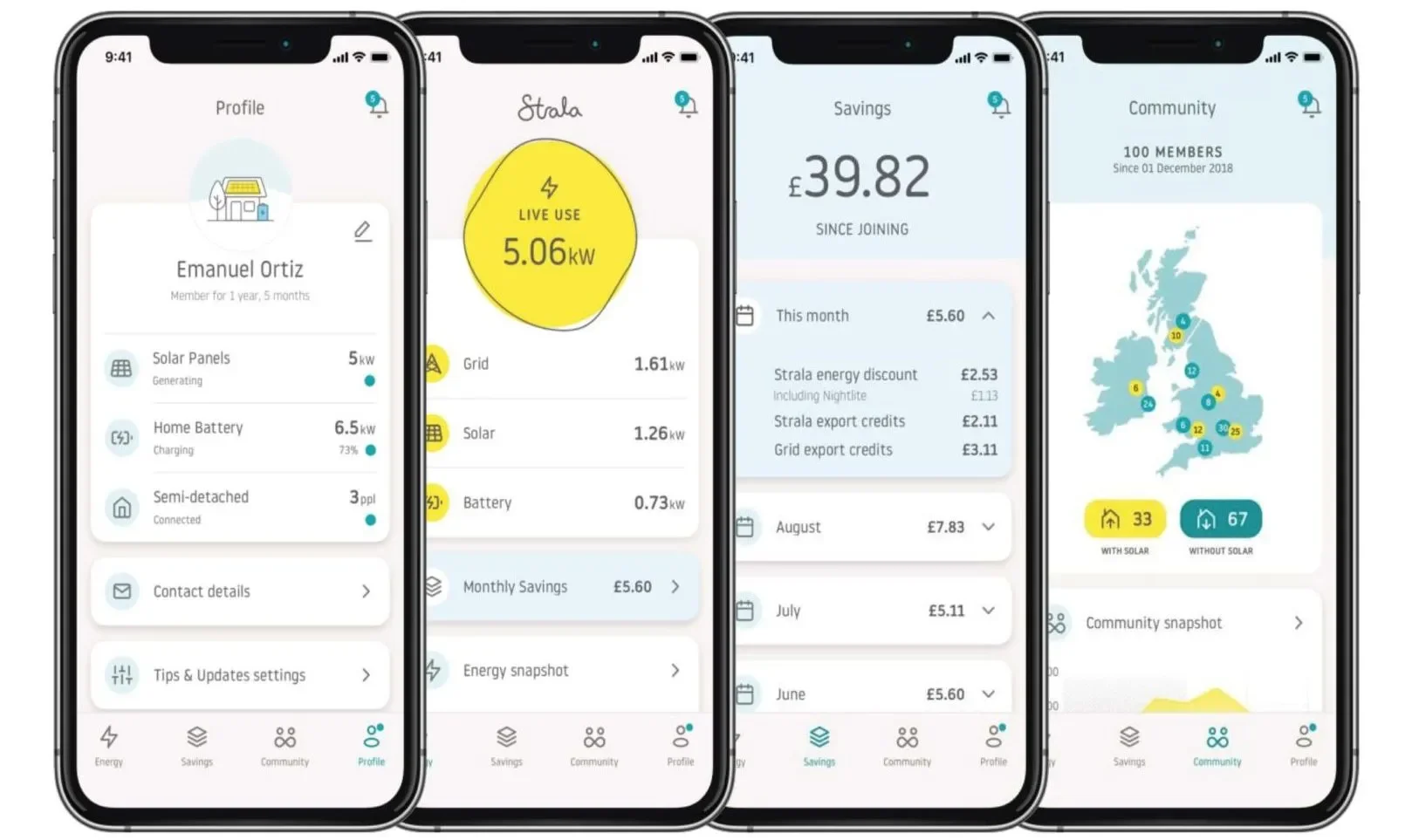
a home energy-exchange digital ecosystem
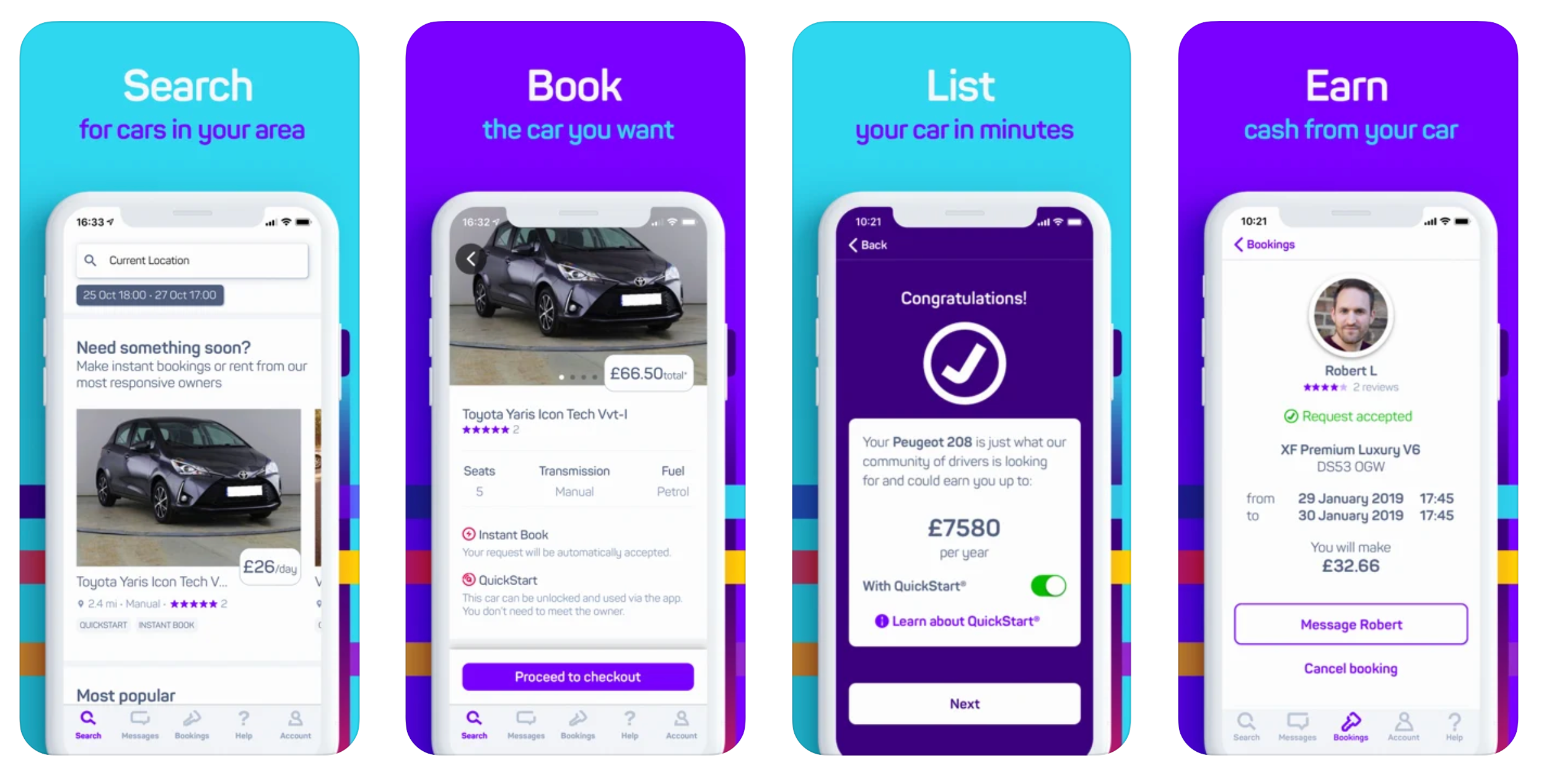
peer-to-peer car sharing experience, a digital service audit
rethinking telecom, a speculative future

defining the kitchen-buying experience
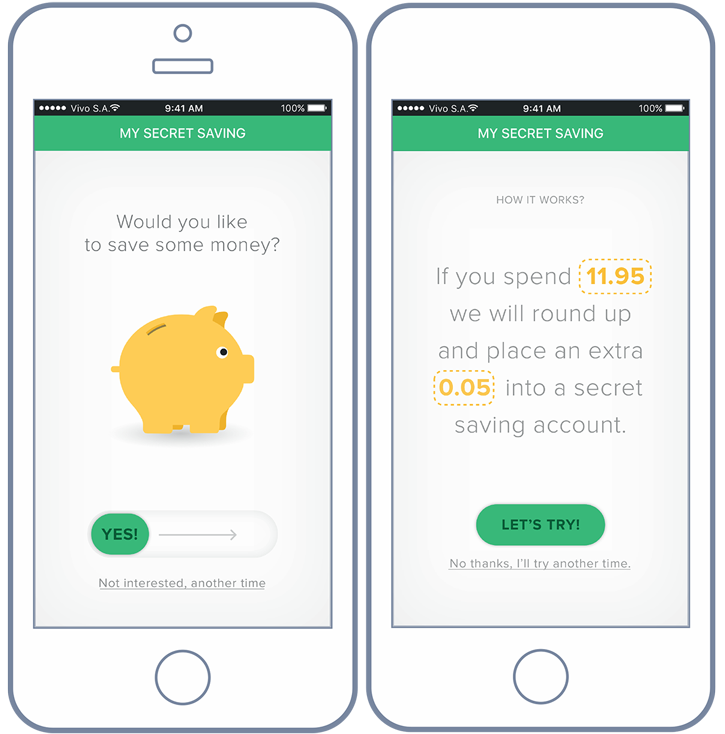
branch-less personal banking